
3 Rules
For More Effective B2B Marketing
If you’re already investing in brand advertising, what else can you do to gain an edge over your competition? It’s time to take a hard look at your creative. According to the Ehrenberg-Bass Institute, great creative is 10 to 20 times better at driving sales than mediocre creative. And if you can combine great media with great creative, you can create extraordinary growth for your business.
The concept of ‘mental availability’ is about making your brand known and easily thought of in buying situations. In other words, the B2B brand that gets remembered is the B2B brand that gets bought. The marketer’s job is to create long-lasting memories in the minds of category buyers.
Follow these 3 steps to create more memories that resonate with your clients.
-
Rule #1: More emotions, more growth
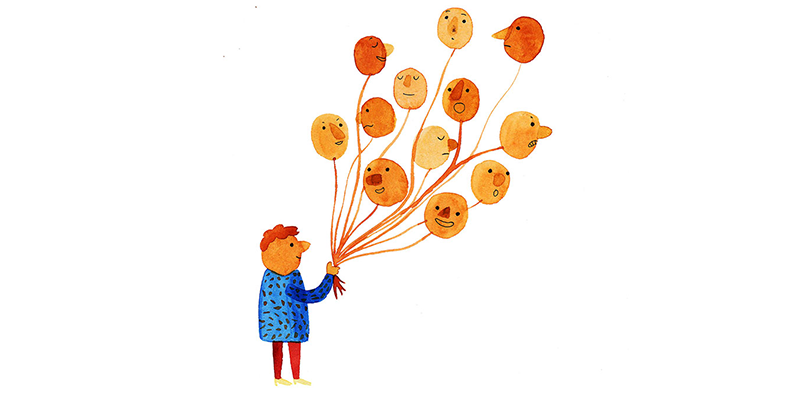
The human brain tends to remember emotions and forget facts. And the stronger the emotion, the stronger the memory. Applied to B2B marketing, if your ad makes a buyer laugh or cry or smile, your message is much more likely to be recalled in a buying situation. -

Rule #2: More branding, more growth
Don’t wait until the last second to brand the ad. Logos, fonts, colours, taglines, and jingles are all fluent devices that ensure the ad gets linked to your brand.
-

Rule #3: More commitment, more growth
Profitable creative needs to be emotionally intense and clearly branded. B2B ads are often overly rational, poorly branded and chronically inconsistent. That’s a big problem, but also a big opportunity. Your competitor’s ads can fall short in so many ways, and by focusing on creating better ads, you can steal their market share. Once you develop an ad that scores well, you need to do something else: Commit. Run that creative in every relevant media channel, every single year.
Source: Marketing Week